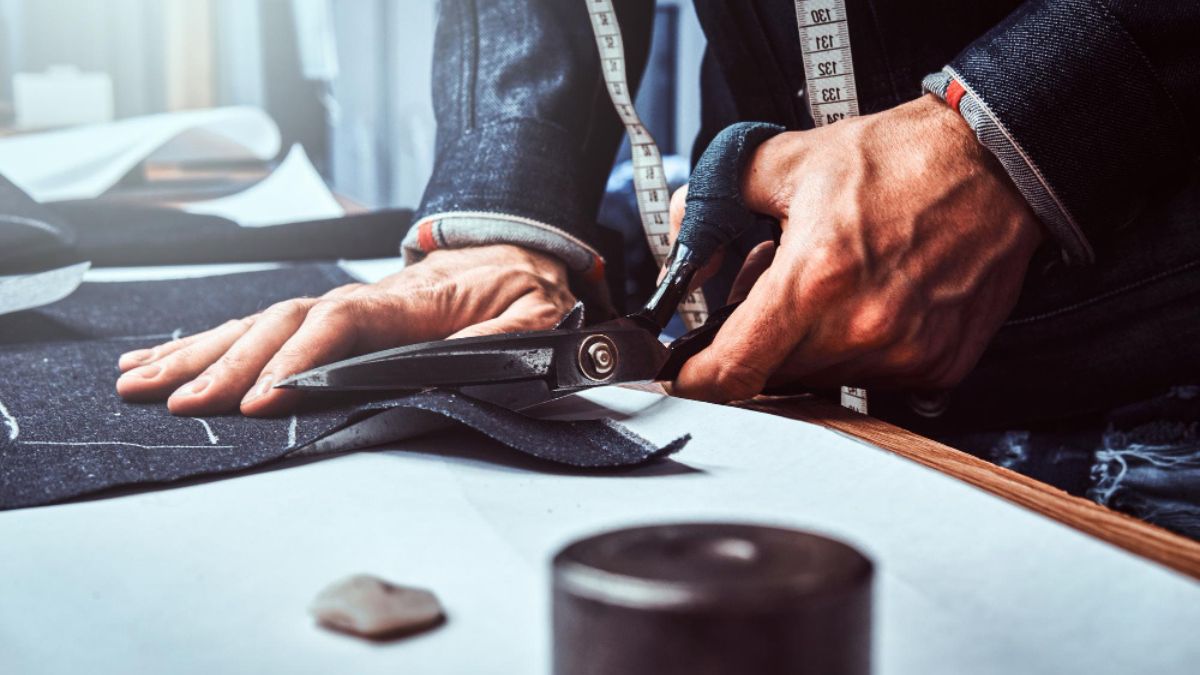
In the world of fashion design, fabric may be the canvas, but nahttypen—the different types of seams—are the structure that gives a garment its strength, shape, and longevity. While silhouettes and textiles often take center stage, seam selection quietly determines whether a design feels luxurious, performs well, and stands the test of wear.
For modern fashion designers, understanding seam construction is no longer optional. From couture ateliers to large-scale production floors, nahttypen influence aesthetics, comfort, durability, and sustainability. This guide explores seam types in depth, focusing on how they are used in contemporary garment construction and why mastering them can elevate your design work.
Understanding Nahttypen in Fashion Design
The term Nahttypen refers to the various methods used to join fabric pieces together. Each seam type serves a distinct purpose, shaped by fabric choice, garment function, and production technique.
In modern fashion, seams must balance:
Design aesthetics
Structural integrity
Comfort and wearability
Production efficiency
Sustainability and fabric preservation
Choosing the right seam is both a technical decision and a creative one.
Why Seam Selection Matters in Modern Garments
Seams are more than technical necessities—they directly influence how a garment behaves on the body.
Key reasons seam choice is critical:
Fit and drape: Incorrect seams can distort silhouettes.
Durability: Stress areas require reinforced seam types.
Comfort: Poorly finished seams can irritate skin.
Visual impact: Exposed seams can become design elements.
Production scalability: Some nahttypen suit mass production better than others.
Modern fashion designers must think beyond appearance and consider the full lifecycle of a garment.
Plain Seam: The Foundation of Garment Construction
What It Is
The plain seam is the most basic and widely used seam type. Two fabric pieces are joined with right sides together and stitched along the seam line.
Uses in Modern Fashion
Dresses, blouses, shirts
Lightweight garments
Interior seams in tailored pieces
Designer Insight
Plain seams are ideal for clean, minimalist designs. However, they often require additional finishing to prevent fraying, especially in woven fabrics.
French Seam: Refinement and Luxury
What It Is
A French seam encloses raw edges within the seam itself, creating a clean finish inside and out.
Uses in Modern Fashion
Luxury lingerie
Sheer fabrics like chiffon and organza
High-end blouses and dresses
Designer Insight
French seams elevate garment quality. They are labor-intensive but perfect for designers aiming for premium craftsmanship and comfort.
Flat-Felled Seam: Strength Meets Functionality
What It Is
A flat-felled seam overlaps fabric edges and stitches them flat, enclosing raw edges.
Uses in Modern Fashion
Denim jeans
Workwear
Jackets and shirts
Designer Insight
This seam is synonymous with durability. In modern fashion, flat-felled seams are often highlighted with contrasting thread to add a design accent.
Lapped Seam: Precision and Structure
What It Is
In a lapped seam, one fabric edge overlaps another and is stitched in place.
Uses in Modern Fashion
Leather garments
Faux leather designs
Non-fraying materials
Designer Insight
Lapped seams work beautifully in structured garments and experimental fashion pieces, particularly when raw edges are intentionally visible.
Bound Seam: Decorative and Functional
What It Is
A bound seam finishes raw edges with binding tape or fabric strips.
Uses in Modern Fashion
Jackets and coats
Unlined garments
Statement interiors
Designer Insight
Bound seams allow designers to add hidden color or texture. In modern collections, interior finishes are often treated as design features.
Piped Seam: A Touch of Contrast
What It Is
A piped seam incorporates a cord wrapped in fabric inserted into the seam line.
Uses in Modern Fashion
Tailored jackets
Dresses with defined panels
Decorative accents
Designer Insight
Piping can subtly enhance garment structure or make a bold visual statement. It’s especially effective in modern tailoring and couture-inspired designs.
Taped Seam: Performance and Protection
What It Is
A taped seam uses heat-sealed tape to cover stitch lines, making them waterproof.
Uses in Modern Fashion
Activewear
Outerwear
Technical garments
Designer Insight
With the rise of athleisure and performance fashion, taped seams have become essential. Designers must balance function with aesthetics.
Overlocked Seam: Speed and Efficiency
What It Is
An overlocked seam trims and finishes raw edges using an overlock machine.
Uses in Modern Fashion
Ready-to-wear garments
Knitwear
Fast fashion production
Designer Insight
Overlocked seams are efficient but not constantly visually refined. Many designers combine them with topstitching for a cleaner look.
Seam Types for Knitwear and Stretch Fabrics
Modern fashion heavily relies on stretch fabrics, requiring specialized seam construction.
Common Nahttypen for Knits:
Overlocked seams
Flatlock seams
Stretch seams
Designer Insight
Stretch seams must move with the body without breaking. Seam elasticity is just as important as fabric stretch.
Decorative Seams as Design Elements
In contemporary fashion, seams are no longer hidden.
Popular Decorative Seam Techniques:
Exposed seams
Contrast topstitching
Asymmetrical seam placement
Designer Insight
Designers use seams to guide the eye, shape silhouettes, and add architectural interest. Seam lines can replace traditional darts or panels.
Seam Placement and Silhouette Control
Where a seam is placed can redefine a garment.
Strategic Seam Placement:
Princess seams for shaping
Panel seams for structure
Diagonal seams for movement
Designer Insight
Modern garment construction often relies on seam engineering rather than heavy interfacing or padding.
Sustainable Fashion and Seam Choices
Sustainability has reshaped how designers approach nahttypen.
Eco-Conscious Seam Considerations:
Minimizing seam bulk to reduce fabric waste
Choosing seams that allow easy alteration
Avoiding unnecessary finishes
Designer Insight
Well-constructed seams extend garment life, supporting slow fashion principles and reducing environmental impact.
Industrial vs. Couture Seam Construction
Industrial Production:
Speed-focused
Overlocked and automated seams
Standardized finishes
Couture and Atelier Work:
Hand-finished seams
French and bound seams
Custom seam engineering
Designer Insight
Modern designers often blend both worlds—using industrial efficiency with couture-level detailing.
Common Seam Mistakes Designers Should Avoid
Even experienced designers can overlook seam construction.
Common Issues:
Using weak seams in stress areas
Ignoring seam allowance requirements
Choosing bulky seams for lightweight fabrics
Designer Insight
Testing seam samples before final production is essential, especially when working with new materials.
Future Trends in Seam Construction
Fashion technology continues to redefine nahttypen.
Emerging Trends:
Bonded seams without stitching
Laser-cut seam edges
Seamless garment construction
Designer Insight
As innovation grows, designers must adapt while maintaining craftsmanship and fit integrity.
Mastering Nahttypen as a Fashion Designer
Understanding nahttypen and their uses in modern garment construction empowers designers to create garments that are not only beautiful but functional, durable, and responsible.
Seams shape garments as much as patterns do. By mastering seam types, fashion designers gain greater control over fit, movement, and aesthetic expression.
Whether designing couture gowns, ready-to-wear collections, or technical apparel, thoughtful seam selection is a defining skill—one that separates good design from exceptional design.
Conclusion
In modern fashion, seams are no longer invisible. They are structural, expressive, and intentional. For designers willing to explore the full potential of nahttypen, every stitch becomes an opportunity to innovate.