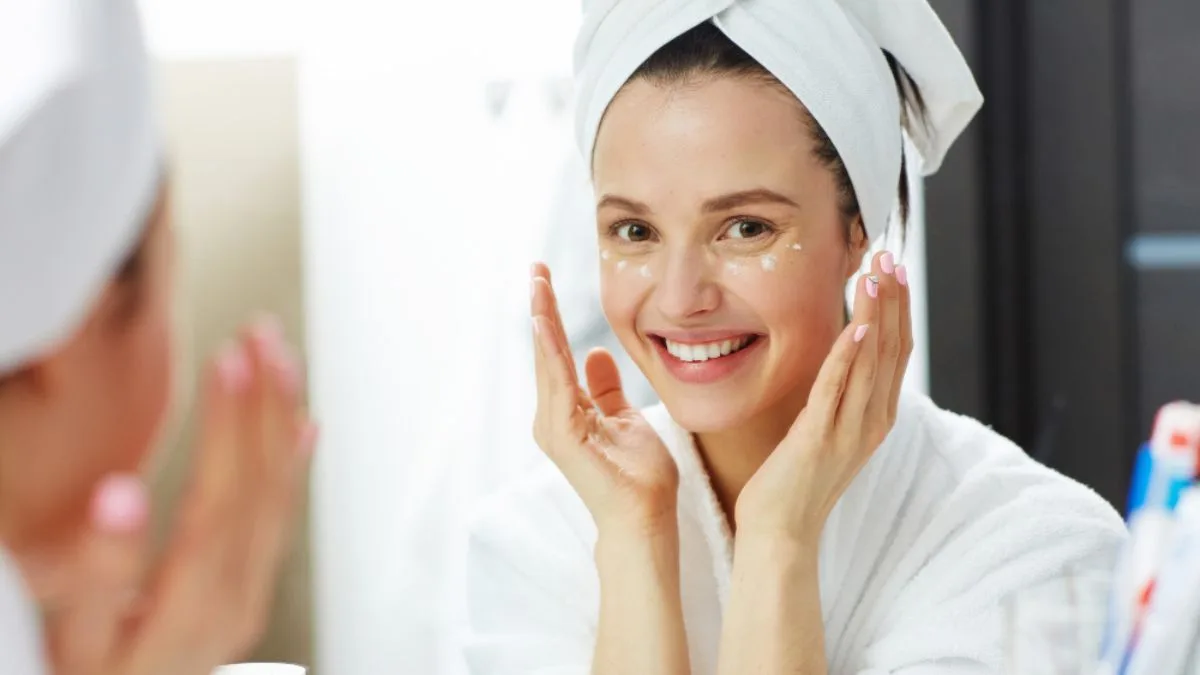
The way people think about skincare is changing. What was once driven by quick transformations and visible “before and after” moments is now evolving into something far more measured. Increasingly, skincare is being treated as an ongoing process of maintenance rather than a series of dramatic makeovers.
This shift reflects a deeper understanding of how skin actually works, and what it really needs to stay healthy over time.
Skin Doesn’t Respond to Shortcuts
One of the biggest reasons behind this change is simple: skin does not respond well to extremes.
Quick-fix solutions, whether trending products or aggressive treatments, can deliver temporary results. But they often come at a cost, such as irritation, sensitivity, or disruption to the skin barrier. Even viral trends like DIY treatments or harsh exfoliation can create more problems than they solve.
As awareness grows, more people are recognizing that skin responds best to consistency, not intensity. Long-term care tends to produce steadier, more reliable results than short bursts of intervention.
The Rise of “Skin Longevity”
A major concept driving this shift is skin longevity.
Rather than asking, “What will fix this quickly?”, people are starting to ask, “What will keep my skin healthy over time?” Experts highlight that modern skincare is moving away from chasing instant results and toward supporting the skin’s natural function through barrier protection, hydration, and consistent routines.
This approach reframes skincare entirely. It becomes less about reacting to problems and more about preventing them.
Simpler Routines, Better Outcomes
Another key factor is the move toward simplicity.
Consumers are stepping away from complicated, multi-step routines and embracing more streamlined approaches. Trends like “skinimalism” and multifunctional products reflect a desire to do less, but do it more effectively.
Dermatologists increasingly emphasize that a few well-chosen products used consistently often outperform complex routines. Overloading the skin can lead to reactivity, which ultimately undermines the goal of achieving a healthy, balanced complexion.
A More Educated Consumer
Access to information has also changed behavior.
Today’s skincare users are more informed about ingredients, formulations, and long-term effects. They are less likely to follow trends blindly and more likely to prioritize evidence-backed approaches.
This has led to a stronger focus on value and efficacy. Consumers want products and treatments that deliver lasting benefits, not just immediate visible change.
Prevention Over Correction
Another defining feature of maintenance-based skincare is prevention.
Instead of waiting for visible concerns to develop, people are investing in habits that protect their skin from the outset. Daily sun protection, hydration, and barrier support have become foundational, rather than optional.
Research shows that many women wish they had started consistent skincare routines earlier, highlighting a growing awareness of the long-term benefits of preventative care.
This mindset reduces the need for more intensive corrective treatments later on.
Treatments Are Becoming More Subtle
The same shift is happening in professional skincare.
Rather than dramatic, one-off procedures, there is increasing demand for treatments that support the skin gradually. Techniques such as collagen stimulation, light-based therapies, and “treatment stacking” focus on improving skin quality over time rather than creating immediate, obvious change.
Providers such as dermani MEDSPA® illustrate this shift by focusing on treatments that support and preserve overall skin health, rather than creating noticeable changes. The priority is on gradual, buildable improvements that align with a consistent, long-term approach to care.
Skincare Is Becoming Part of Wellness
Another reason maintenance is taking priority is the growing link between skincare and overall wellbeing.
Modern beauty trends increasingly connect skin health with factors like sleep, stress, and lifestyle. This holistic perspective reinforces the idea that skincare is not a one-time fix, but an ongoing process influenced by daily habits.
As a result, the goal shifts from achieving perfect skin to maintaining healthy skin that functions well over time.
The End of the Makeover Mindset
The idea of skincare as a “makeover” implies a dramatic, immediate transformation. But this concept is becoming less relevant.
Instead, skincare is being reframed as something closer to fitness or nutrition. It requires consistency, patience, and a long-term commitment. The results may be less dramatic in the short term, but they are more stable and sustainable.
A More Sustainable Approach to Beauty
Ultimately, the move toward maintenance reflects a broader cultural shift.
People are becoming more cautious about overconsumption, more interested in long-term outcomes, and more aware of how their choices affect their skin. This is leading to a more balanced approach, where less is often more, and consistency matters more than intensity.
Skincare is no longer about chasing quick wins. It is about building something that lasts.