

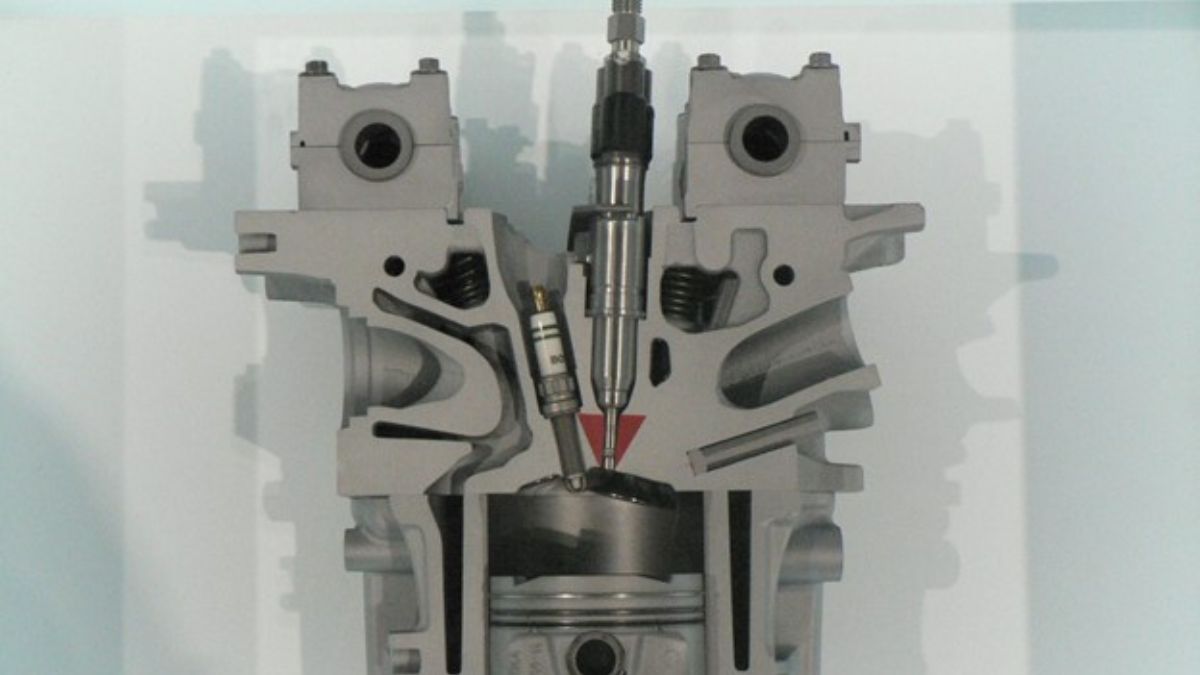
Fuel injectors are one of those components most drivers rarely think about—until something goes wrong. Yet in modern engines, especially diesel systems, injectors play a central role in performance, efficiency, and emissions control. A slight imbalance in fuel delivery can lead to rough idling, increased fuel consumption, or even long-term engine damage. For technicians and equipment operators alike, understanding how injectors fail—and how to prevent those failures—is critical to keeping engines running smoothly.
This article takes a closer look at how fuel injectors work, what leads to their failure, and how evolving diagnostic tools and maintenance strategies are changing the way professionals approach injector health.
How Fuel Injectors Impact Engine Efficiency
At its core, a fuel injector is responsible for delivering a precise amount of fuel into the combustion chamber at exactly the right moment. In gasoline engines, this process is already finely tuned, but in diesel engines, the level of precision is even higher due to the reliance on compression ignition. Modern injectors operate at extremely high pressures, atomizing fuel into a fine mist that burns more efficiently.
When injectors are functioning properly, engines run cleaner, produce more power, and use less fuel. However, even minor inconsistencies—such as uneven spray patterns or delayed injection timing—can disrupt combustion and reduce overall efficiency.
The Shift Toward High-Pressure Systems
Advancements in fuel injection technology have led to the widespread adoption of common rail systems. These setups allow for multiple injection events per cycle, improving combustion control. While highly effective, they also demand cleaner fuel and tighter tolerances, making them more sensitive to contamination and wear.
What Leads to Fuel Injector Failure
Injector problems rarely stem from a single cause. More often, they develop gradually due to environmental conditions, fuel quality, and wear over time. Recognizing these contributing factors can help prevent expensive repairs.
Contaminated Fuel
One of the leading causes of injector issues is fuel contamination. Dirt, water, or microbial growth can enter the fuel system and clog injector nozzles. Over time, this restricts flow and alters the spray pattern, leading to incomplete combustion.
Carbon Buildup
Deposits can form on injector tips due to incomplete combustion or poor fuel quality. These deposits interfere with proper atomization, causing rough engine operation and reduced efficiency.
Wear and Tear
Injectors operate under extreme pressure and heat. Over thousands of cycles, internal components can wear down, leading to leaks or inconsistent fuel delivery.
Electrical Faults
Modern injectors rely on electronic signals to operate. Issues with wiring, connectors, or the engine control module can prevent injectors from functioning correctly, even if the mechanical components are intact.
Fuel Systems in Agricultural and Heavy Machinery
Fuel injector reliability becomes even more critical in agricultural and heavy-duty equipment. Tractors, harvesters, and industrial machines often operate in dusty, high-load environments where fuel quality and maintenance consistency can vary.
Understanding the underlying fuel injector failure causes is essential for operators managing large fleets of farming equipment. These machines rely on consistent fuel delivery to maintain productivity during long operating hours, and even minor injector issues can lead to costly downtime during peak seasons.
Maintenance Considerations for Field Equipment
Regular fuel filter replacements, proper storage of fuel, and periodic system inspections are vital in agricultural settings. Unlike passenger vehicles, farm equipment often sits idle for extended periods, which can increase the risk of contamination or fuel degradation.
Recognizing Early Warning Signs
Fuel injector problems often reveal themselves through subtle performance changes before escalating into serious issues. Identifying these early signs can save both time and repair costs.
Engine Misfires and Rough Idling
When injectors fail to deliver the correct amount of fuel, the combustion process becomes uneven. This can result in noticeable misfires or unstable idling.
Increased Fuel Consumption
A malfunctioning injector may deliver too much fuel or fail to atomize it properly, leading to inefficient combustion and higher fuel usage.
Hard Starts or Power Loss
Difficulty starting the engine or a lack of power under load can indicate injector problems, particularly in diesel systems where precise fuel delivery is crucial.
The Role of Diagnostics and Smart Technology
Modern diagnostic tools have transformed the way technicians approach fuel system issues. Instead of relying solely on manual inspection, professionals now use advanced software to analyze engine performance in real time.
Emerging solutions, such as those highlighted in this overview of engine diagnostic apps, allow for quicker identification of injector-related problems. These tools can monitor fuel pressure, injection timing, and error codes, providing valuable insights that were once difficult to obtain without extensive disassembly.
In addition to standalone tools, many workshops now integrate digital diagnostics into their service processes. Facilities offering professional automotive repair and diagnostic services combine technical expertise with modern equipment to pinpoint issues more accurately and reduce repair time.
Preventing Injector Failures
Preventive maintenance remains the most effective way to avoid injector-related problems. While modern systems are highly advanced, they still depend on basic principles such as clean fuel and proper operating conditions.
Use High-Quality Fuel
Consistently using clean, high-quality fuel reduces the risk of contamination and deposit formation. In regions where fuel quality varies, additional filtration systems can provide an extra layer of protection.
Follow Maintenance Schedules
Routine servicing, including filter changes and system inspections, helps keep injectors in optimal condition. Skipping maintenance intervals can lead to gradual performance decline.
Monitor Engine Performance
Paying attention to changes in engine behavior—such as unusual noises, smoke, or reduced efficiency—can help detect problems early. Addressing minor issues promptly prevents them from escalating.
Conclusion
Fuel injectors are a cornerstone of modern engine performance, especially in diesel and heavy-duty applications. Their precision and reliability directly influence efficiency, emissions, and overall engine health. While failures can develop gradually, they are often preventable through proper maintenance, clean fuel practices, and timely diagnostics.
As technology continues to evolve, the combination of advanced injection systems and smarter diagnostic tools offers new opportunities to extend engine life and reduce downtime. For anyone working with engines—whether in automotive repair, agriculture, or industrial settings—understanding fuel injector behavior is an investment in long-term performance and reliability.




One thought on “Fuel Injector Problems in Modern Engines: Diagnosis, Causes, and Long-Term Reliability”