A calm, safety-first guide to the first minutes, recovery decisions and information that speeds up help
A vehicle breakdown away from home is unsettling because several problems arrive at once. The driver must manage a moving vehicle, protect passengers, understand an unfamiliar location and decide who to call, often while traffic continues nearby. The mechanical fault matters, but the first priority is preventing the situation from becoming a collision or injury. A clear sequence reduces panic and helps a recovery operator reach the right place with suitable equipment.
This guide focuses on practical decisions rather than roadside repair. Roads, weather, vehicle types and traffic conditions vary, so the safest action depends on context. If anyone is injured, the vehicle is in a dangerous live lane, fuel is leaking, smoke or fire is present, or another immediate hazard exists, contact the emergency services. Do not put yourself at greater risk to protect the vehicle or belongings.
Recognise the Warning and Reduce Speed Smoothly
Breakdowns do not always begin with a complete loss of power. A warning light, rising temperature, unusual noise, vibration, burning smell or falling tyre pressure may give early notice. Avoid sudden steering or braking unless necessary. Check mirrors, signal and move toward the safest available place while the vehicle remains controllable. On faster roads, the aim is to leave live traffic rather than reach a preferred destination.
If a red warning appears for oil pressure, temperature, braking or another critical system, continuing can increase danger or cause severe damage. The vehicle handbook may clarify the meaning, but it should not be read while driving. Stop as soon as it is safe. Hazard lights can alert others during the manoeuvre, particularly if speed is dropping unexpectedly.
Choose the Safest Available Stopping Place
An ideal place is off the carriageway, visible to approaching traffic and away from bends, junctions or narrow verges. A service area, lay-by, car park or side street is preferable when reachable without risking the vehicle. On a motorway or high-speed dual carriageway, use an emergency area or hard shoulder if available and follow the road operator’s safety guidance. Never reverse to reach an exit or attempt to cross live lanes.
Once stopped, apply the parking brake, select park or an appropriate gear and switch off the engine unless circumstances require otherwise. Turn the wheels away from traffic where suitable. Keep hazard lights on, and use sidelights in poor visibility. Do not place a warning triangle on a motorway. On other roads, only use one if it can be positioned without walking into danger.
Decide Whether Passengers Should Leave
Passenger safety depends on location. If the vehicle is well away from traffic in a secure car park, remaining inside may be sensible, especially in severe weather. If it is on the hard shoulder or close to fast traffic, occupants are generally safer away from the vehicle and behind a barrier where one exists. Exit on the side away from traffic if possible. Keep children, vulnerable passengers and pets under close control.
Do not stand between the vehicle and oncoming traffic or directly in front of it. Move up the verge and away from the carriageway. If anyone cannot leave safely, keep seat belts fastened and tell the emergency or recovery operator. Never attempt an exit that requires stepping into a live lane. The exact response should prioritise human safety over a standard routine.
Make the Vehicle Visible Without Taking Risks
Hazard lights are the first warning to other road users. At night or in poor weather, sidelights can improve visibility. A high-visibility garment is useful if it is accessible without searching in traffic. Do not open the bonnet if doing so requires standing in a dangerous position or if smoke, steam or fire is present. The visual signal is not worth exposure to moving vehicles.
If the breakdown is around a blind bend, narrow rural road or other difficult location, tell the police or road authority when the vehicle creates an immediate obstruction. Do not try to direct traffic unless specifically trained and it is safe. A stranded driver is vulnerable and cannot control how approaching vehicles behave.
Give an Accurate Location
Location is often the most important information for dispatch. A road name alone may cover many miles. Use a motorway marker, junction number, emergency-area identifier, nearby business, postcode or map pin. Smartphone mapping can provide coordinates, but confirm the direction of travel and carriageway. Describe distinctive signs, bridges or exits. If parked in a multi-level car park, give the level and access restrictions.
When signal is weak, an emergency roadside phone may connect directly to the relevant control centre on some major roads. If calling by mobile, conserve battery after sharing the location. Send the operator a pin if requested and keep the phone available for updates. Do not walk along a high-speed road searching for a better signal unless directed by an authority and it is safe.
Describe the Vehicle and Its Condition
The recovery provider needs the registration, make, model and approximate size. Mention if the vehicle is electric, hybrid, automatic, four-wheel drive, unusually low, modified, heavily loaded or towing a trailer. Tell them whether the wheels roll, steering works, the transmission can select neutral, the parking brake releases and any tyre is damaged. Locked wheels or collision damage can require skates or different loading equipment.
Be honest about access. Height limits, narrow entrances, soft ground, steep slopes, bollards or underground parking may prevent a standard truck from reaching the vehicle. Identify passengers, pets and mobility needs because seating in the recovery vehicle may be limited. Accurate information improves the first dispatch and reduces waiting caused by unsuitable equipment.
Do Not Attempt Repairs Beyond the Situation
A flat tyre, weak battery or minor fault may sometimes be resolved safely, but the roadside environment determines whether any attempt is sensible. Never work on the traffic-facing side of a vehicle in a live or exposed lane. Do not crawl beneath a vehicle supported only by a jack. Steam from an overheated cooling system and fuel or battery hazards can cause serious injury. High-voltage electric systems require specialist procedures.
If the cause is uncertain, wait for trained help. Repeatedly trying to start an engine with an oil-pressure warning, severe mechanical noise or overheating can turn a manageable fault into major damage. A recovery operator can move the vehicle to a safer place even when repair is not possible at the roadside. The right outcome is not always getting the car running immediately.
Understand Roadside Assistance Versus Recovery
Roadside assistance aims to fix a simple problem where the vehicle has stopped. Examples may include a jump start, tyre issue or minor fault when conditions and equipment allow. Recovery transports the vehicle when it cannot be repaired safely or reliably. Car transport may also be arranged for non-runners, auction vehicles or planned movements that are not emergencies.
Ask what the quoted service includes: call-out, loading, mileage, destination, passengers, waiting time, storage or additional equipment. A clear operator should explain the basis of the price before dispatch where circumstances allow. Some insurance, bank account, manufacturer or membership products may include assistance, so check available cover if it can be done without delaying an urgent safety response.
Electric and Hybrid Vehicles Need Specific Information
An electric vehicle can stop because of a low traction battery, a 12-volt battery problem, tyre damage or another fault. Towing and lifting requirements vary by model; incorrect movement can damage the drivetrain or high-voltage system. Tell the operator the exact vehicle and do not assume it can be pulled with driven wheels on the road. A flatbed may be appropriate depending on manufacturer instructions and condition.
If the vehicle has been in a collision, is smoking, making unusual sounds or shows signs of battery damage, move people away and contact the emergency services. Do not touch exposed cables or damaged high-voltage components. The recovery provider needs to know the situation before arrival so the correct precautions and equipment can be planned.
Keep Personal Safety in Mind While Waiting
Share the situation and location with a trusted person if appropriate. Keep doors locked when waiting inside in a safe location, and be cautious about unsolicited help. A legitimate operator should be identifiable and know the job details. Do not disclose unnecessary personal or payment information to someone who approaches without verification. If you feel threatened, contact the police.
Weather can create additional risk. Use warm clothing, water and essential medication from the vehicle only when they can be reached safely. Preserve phone battery by reducing unnecessary use. At night, remain in a well-lit place where possible. Tell the dispatcher if conditions change, the vehicle becomes less stable or passengers have urgent needs.
Protect the Vehicle During Loading
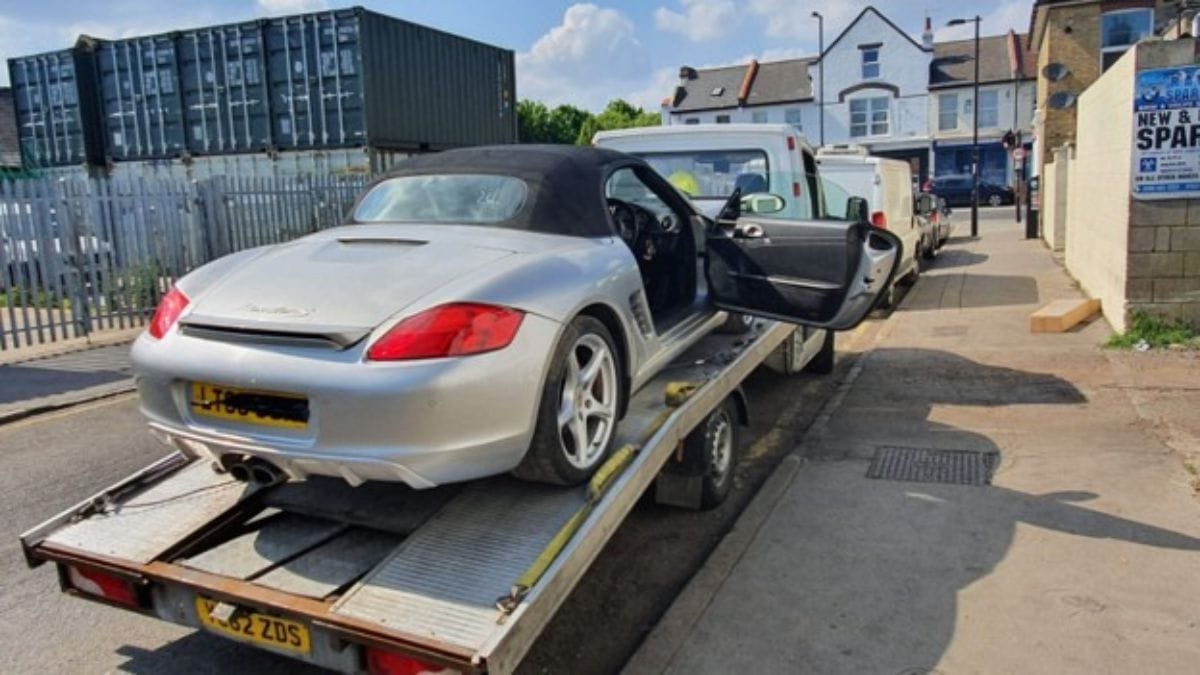
When the recovery truck arrives, explain the symptoms and any recent damage. The operator will assess position, access and loading method. Follow instructions and remain outside the work zone. Winch cables, ramps and moving vehicles create hazards. Do not stand behind the vehicle or between it and the truck. Secure pets and keep children away.
Before transport, remove or secure loose valuables if it is safe, and photograph the vehicle’s condition when practical. Confirm the destination and who will receive it. If keys or documents are handed over, record that. A professional operator uses appropriate attachment points and procedures for the vehicle; the driver should not improvise by attaching straps without instruction.
Decide Where the Vehicle Should Go
The nearest garage is not always the best destination, and home is not always useful. Consider opening hours, the garage’s ability to diagnose the vehicle, warranty or dealer requirements, security and the distance covered by the service. If the fault occurred late at night, storage may be necessary until a workshop opens. Confirm who will authorise repairs and how the garage will contact you.
For a familiar local garage, check that it can accept an unattended vehicle and has space. For a distant breakdown, ask the recovery provider about realistic transport options and costs. A roadside decision made under stress can be expensive, so request a clear quote and avoid agreeing to repairs before diagnosis. Recovery and repair are separate decisions.
Choosing a Recovery Provider
Look for clear identity, appropriate insurance, suitable equipment, transparent communication and realistic arrival information. Ask what vehicle will attend, whether the operator can handle the car’s condition and what happens if access or damage differs from the description. Be cautious with prices that are vague or change without an explained reason. In an emergency, speed matters, but unsuitable equipment can create delay or damage.
Caliper Recovery offers breakdown recovery, roadside assistance, car transport and fleet support across London. The company describes round-the-clock availability, a modern recovery fleet and insured service. Drivers should provide complete location and vehicle details when requesting a quote so dispatch can match the situation.
When comparing vehicle recovery services confirm the full price basis, destination, passenger arrangements, payment method and evidence of cover. Ask for the operator’s name or vehicle details when available. Keep confirmation messages and the final receipt. A dependable provider communicates what is happening from dispatch through handover rather than leaving the customer uncertain.
Prepare Before a Breakdown Happens
Keep basic information in the vehicle or phone: insurer, breakdown cover, preferred garage, vehicle details and emergency contacts. A charged power bank, high-visibility garment, torch, warm layer and water can improve a long wait. Check the spare wheel or repair kit and understand its limitations. Essential medication should remain accessible during travel.
Routine maintenance reduces avoidable breakdowns. Check tyres, fluids and warning lights, follow the service schedule and investigate changes in starting, temperature, noise or vibration. For long journeys, confirm fuel or charge plans and allow margin. Preparation cannot prevent every fault, but it improves both the likelihood of avoiding one and the quality of the response.
What to Record Afterwards
Keep the recovery receipt, time, location, symptoms, warning lights and any roadside findings. Tell the garage exactly what occurred and avoid assuming the recovery diagnosis is final. If the fault is intermittent, context may be crucial. Record repair invoices and update the maintenance plan. Where a tyre, battery or component failed unexpectedly, ask whether related items should be checked.
Review the practical experience too. Was the location easy to share? Did passengers have what they needed? Was cover understood? Restock used supplies and update contact information. A breakdown is disruptive, but the lessons can make the next journey safer even if the same mechanical problem never returns.
Final Thoughts
The first minutes of a breakdown are about people, not the car. Reduce speed smoothly, reach the safest available place, make the situation visible and keep occupants away from traffic. Share an exact location and honest vehicle details so the right help can be dispatched. Avoid roadside work when the environment, fault or vehicle makes it unsafe.
Professional recovery provides more than transport. It controls loading, protects the vehicle and creates a bridge from an exposed roadside to a suitable place for diagnosis. With a calm sequence, clear communication and basic preparation, drivers can reduce risk and make an unfamiliar breakdown far more manageable.