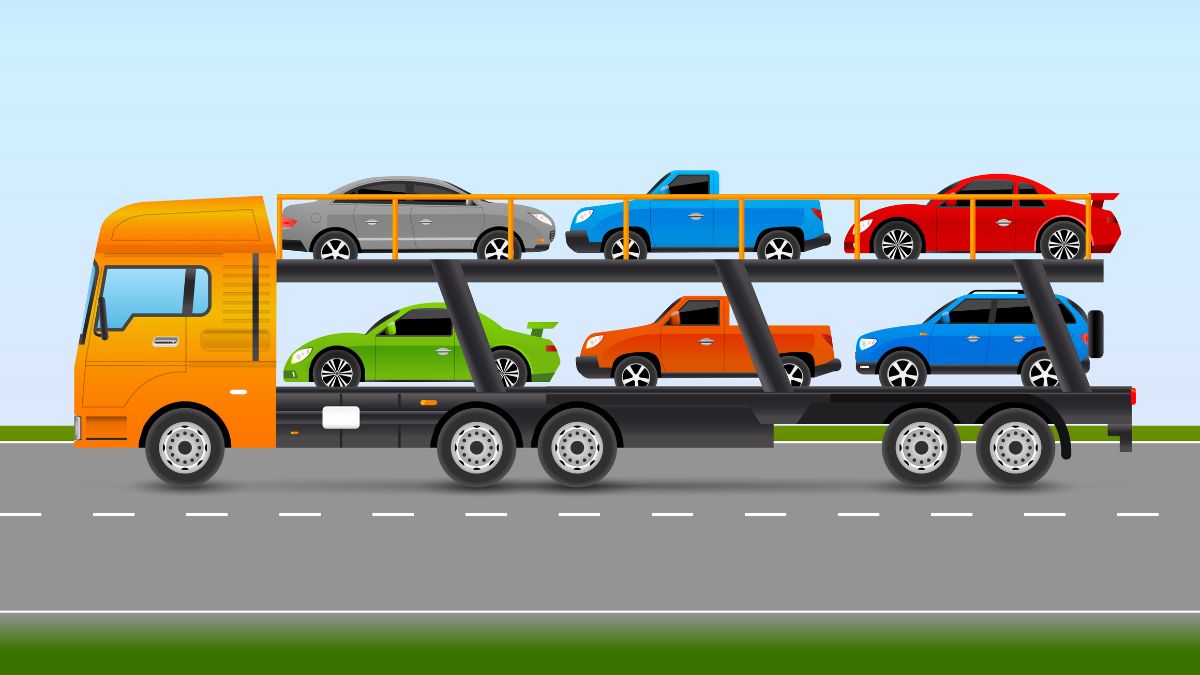
Retirement often brings major lifestyle changes, including relocation, extended travel, or seasonal living in different regions. When a vehicle is part of that transition, deciding how to move it becomes an important planning step. Car shipping is commonly used by retirees because it reduces physical strain and simplifies long-distance travel.
This article explains how car shipping fits into retirement planning and what factors retirees should evaluate before arranging transport.
Why Car Shipping Is Popular Among Retirees
Long-distance driving is not always practical or desirable later in life.
Reducing Physical Fatigue
Extended highway driving can be tiring and stressful. Shipping a vehicle allows retirees to travel by air or shorter drives while the car moves through established transport routes.
Simplifying Long-Term Travel Plans
Many retirees split time between locations or relocate permanently after leaving the workforce. Car shipping supports these plans by separating vehicle logistics from personal travel schedules.
How Auto Transport Works for Retirement Moves
Vehicle transport follows a structured logistics process designed for efficiency.
Pickup and Delivery Windows
auto transport typically operates within pickup and delivery windows rather than exact appointment times. This flexibility allows carriers to optimize routes and helps shipments move more smoothly.
Residential Access and Location Planning
Some residential areas have access limitations for large carriers. In these cases, pickup or delivery may occur at a nearby accessible location that meets safety requirements.
Cost Considerations for Retirees
Budget planning is often a priority during retirement.
Understanding Pricing Variables
Distance, vehicle size, route demand, and timing all influence pricing. Reviewing realistic car shipping rates early helps retirees plan accurately and avoid surprises.
Flexibility and Affordability
Retirees with flexible travel schedules often benefit from more competitive pricing because carriers can assign vehicles to existing routes without time pressure.
Choosing the Right Service Type
Convenience and simplicity are key considerations.
Door to Door Transport
car shipping with door to door service is frequently chosen because it minimizes extra coordination and reduces the need for additional driving at pickup or delivery.
Terminal Options for Flexible Plans
Terminal-based shipping can work when retirees live near major transport hubs and prefer handling drop-off and pickup themselves. This option may reduce cost but requires additional planning.
Seasonal and Cross-Border Travel
Retirement travel often follows seasonal patterns.
Seasonal Relocation Planning
Many retirees travel to warmer regions during winter months. Planning vehicle transport early helps align arrival dates and reduces exposure to winter driving conditions.
International Considerations
For moves that cross national borders, additional documentation and inspection requirements apply. Preparing paperwork in advance helps keep the process predictable.
Common Misunderstandings About Car Shipping in Retirement
A common misconception is that shipping is only useful for luxury vehicles. In practice, everyday cars are shipped regularly for retirement moves. Another misunderstanding is that shipping removes all responsibility, when preparation and communication still play an important role.
Frequently Asked Questions
About Car Shipping for RetireesIs car shipping safer than long-distance driving?
Shipping reduces exposure to road hazards and driving fatigue, which many retirees find beneficial.
How far in advance should transport be arranged?
Booking one to two weeks ahead is usually sufficient, with more lead time recommended during peak seasons.
Can someone else release or receive the vehicle?
Yes. An authorized individual can handle pickup or delivery if arrangements are made in advance.
Does flexible scheduling help reduce cost?
Yes. Flexibility allows carriers to optimize routing, which often results in more competitive pricing.