Managing suppliers and contracts is a critical part of business operations. When approval processes are slow or unorganized, businesses face delays, compliance risks, and operational inefficiencies. To avoid these challenges, organizations must streamline both the supplier approval process and the contract approval process. A structured and automated approach helps ensure compliance, improves transparency, and enables businesses to work more efficiently with vendors and partners.
Understanding the Supplier Approval Process
The supplier approval process is the method businesses use to evaluate and approve vendors before working with them. This process ensures that suppliers meet company standards related to quality, pricing, compliance, and risk. It often includes collecting supplier details, verifying documents, reviewing certifications, and getting approvals from multiple stakeholders.
When this process is manual, it can become slow and error-prone. Missing documents, unclear responsibilities, and lack of tracking can delay onboarding and expose the business to compliance risks. A streamlined supplier approval process ensures that only qualified suppliers are approved and that all checks are completed consistently.
Importance of Contract Approval Process
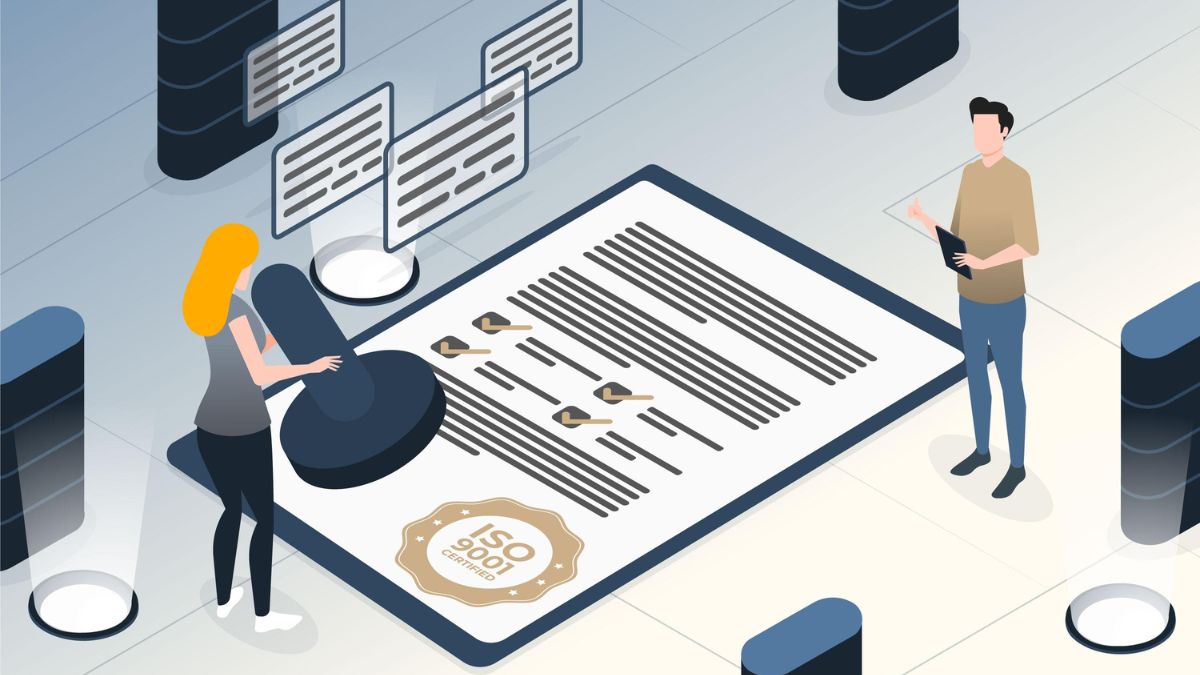
The contract approval process involves reviewing, approving, and finalizing contracts before they are signed. Contracts define the terms, obligations, and responsibilities of both parties. A weak approval process can lead to legal issues, financial losses, or non-compliance with regulations.
An effective contract approval process ensures that contracts are reviewed by the right teams, such as legal, finance, and management. It helps businesses avoid unfavorable terms, ensure compliance with internal policies, and maintain proper records for audits and reporting.
Challenges with Manual Approval Processes
Many organizations still rely on emails, spreadsheets, or paper-based methods for supplier and contract approvals. These manual processes create several challenges. One major issue is lack of visibility. Teams often do not know where an approval is stuck or who needs to act next.
Another challenge is inconsistency. Without standardized workflows, approvals may vary from one department to another. This increases the risk of missing critical checks or approvals. Manual processes also make it harder to maintain audit trails, which are essential for compliance.
Delays are another common problem. When approvers are unavailable or documents are misplaced, onboarding suppliers and finalizing contracts can take weeks instead of days. These delays can impact business relationships and slow down operations.
Benefits of Streamlining Supplier and Contract Approvals
Streamlining approval processes brings significant benefits to organizations. Faster approvals are one of the most immediate advantages. Automated workflows route requests to the right approvers instantly, reducing wait times.
Improved compliance is another key benefit. Standardized workflows ensure that all required steps are followed every time. Automated records and audit trails make it easier to prove compliance during audits or reviews.
Transparency also improves when approvals are streamlined. Stakeholders can track the status of requests in real time, reducing confusion and unnecessary follow-ups. This leads to better collaboration across teams.
Operational efficiency increases as well. Employees spend less time on administrative tasks and more time on strategic work. This improves productivity and reduces operational costs.
Key Elements of an Efficient Approval Workflow
An efficient approval workflow for suppliers and contracts should be flexible and easy to use. It should allow businesses to define approval rules based on criteria such as contract value, supplier type, or risk level. Automated notifications help ensure approvers act on time.
Document management is another important element. Centralized storage ensures that all supplier and contract documents are easy to access and always up to date. Version control helps avoid confusion caused by outdated documents.
Audit trails are essential for compliance. A good workflow records every action taken, including who approved what and when. This level of tracking supports accountability and regulatory requirements.
Integration with other systems, such as procurement or finance software, further improves efficiency. Integrated workflows reduce duplicate data entry and ensure consistency across systems.
How Streamlined Approvals Improve Compliance
Compliance is a major concern for businesses working with multiple suppliers and contracts. Streamlined approval processes help enforce company policies and regulatory requirements consistently. Automated checks ensure that required documents and approvals are completed before moving forward.
Standardized workflows reduce the risk of unauthorized approvals or skipped steps. Clear approval hierarchies ensure that decisions are made by the right people. This structured approach strengthens governance and reduces legal and financial risks.
Conclusion
Streamlining the supplier approval process and contract approval process is essential for businesses aiming to improve compliance and operational efficiency. Manual methods create delays, errors, and compliance risks that can harm business performance. By adopting structured and automated approval workflows, organizations gain better visibility, faster approvals, and stronger control over supplier and contract management.
A well-designed approval process not only ensures compliance but also supports better business relationships and long-term growth. Investing in streamlined approval workflows helps businesses operate with confidence, consistency, and efficiency in an increasingly complex business environment.