Buying a car repair kit sounds straightforward until you start comparing different options. Some kits contain basic tools, while others include specific components designed to fix particular mechanical problems.
Choosing the wrong kit can leave you with parts that do not fit your vehicle or tools that cannot complete the repair.
Before purchasing, it helps to understand your vehicle’s requirements, the problem you want to fix, and what each kit actually includes. A few simple checks can help you make a more informed decision.
Identify the Vehicle Problem Before Buying a Repair Kit
Not every automotive repair kit serves the same purpose. Some are designed for routine maintenance, while others address specific components or mechanical faults.
Understand What Needs Repairing
Start by identifying the symptoms your vehicle is showing.
For example:
- Coolant leaks: Check whether the problem involves a hose, connection, radiator, or another cooling-system component.
- Brake problems: Unusual noises or reduced braking performance require proper inspection before selecting replacement parts.
- Electrical faults: A damaged connector may require a wiring repair kit, but the underlying electrical problem must first be identified.
- Interior damage: Minor trim or upholstery repairs may require materials rather than mechanical tools.
Avoid buying a kit based only on symptoms. Different faults can produce similar warning signs, so a proper diagnosis matters.
Check Vehicle Compatibility and Product Specifications
Even when two vehicles have similar components, their replacement parts may differ. Compatibility should be one of your first checks before purchasing any automotive repair equipment.
Match the Kit to Your Vehicle Details
Before ordering, confirm the following information:
- Vehicle manufacturer and model
- Manufacturing year
- Engine type and displacement
- Relevant part number
- Any applicable trim or production variations
For example, two versions of the same Ford model may use different engine components depending on their production year and engine configuration.
When comparing the best repair kits for sale, check the listed applications and component specifications rather than relying on a general product description.
If compatibility remains unclear, compare the original equipment part number or consult a qualified mechanic.
Examine What the Repair Kit Actually Includes
A kit with more components is not automatically a better purchase. What matters is whether the included parts are suitable for the repair you intend to perform.
Look Beyond the Product Name
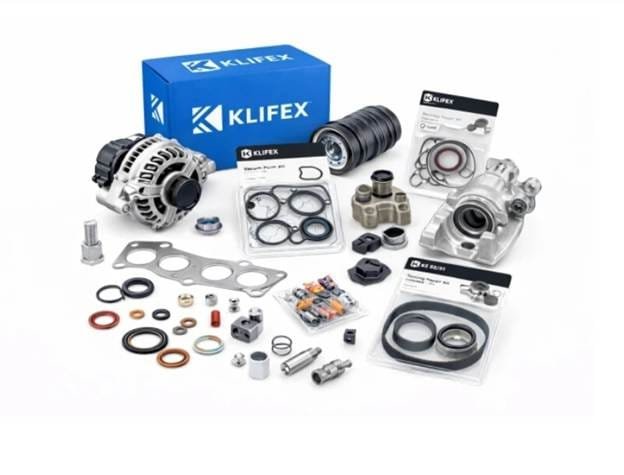
Two products described as engine repair kits may contain completely different items.
Before buying, check whether the package includes:
- Required replacement components
- Appropriate seals, clips, or fasteners
- Tools needed for installation
- Clear installation instructions
- Information about material specifications
Some repairs also require separate equipment, such as a torque wrench or diagnostic scanner.
Compare Complete and Partial Kits
A complete kit may include several related components, while a partial kit might contain only the main replacement part.
Consider a damaged electrical connector. One package may include the connector housing alone, while another includes terminals and seals.
Checking the contents beforehand helps you avoid discovering missing components halfway through a repair.
Evaluate Material Quality and Seller Information
Repair components must withstand the conditions in which they operate. Heat, vibration, moisture, and mechanical stress can all affect how suitable a replacement part is.
Review Specifications Instead of Marketing Claims
Look for clear information about materials, dimensions, operating conditions, and intended applications.
For instance, a seal used in an engine-related repair must be suitable for the relevant temperature range and fluid exposure.
You can also review product descriptions at https://klifex.com/ while comparing automotive repair products, but always verify the specifications of the individual item before purchasing.
Check Return and Warranty Conditions
Before ordering, review the seller’s policies regarding:
- Incorrect or incompatible components
- Damaged or incomplete packages
- Warranty coverage
- Return eligibility after opening
These details become particularly important when ordering vehicle-specific parts online.
Decide Whether the Repair Is Suitable for DIY Work
Having the correct repair kit does not necessarily mean the job is appropriate for home maintenance.
Some repairs require specialist equipment, technical knowledge, or precise installation procedures.
Consider the Difficulty and Safety Requirements
Simple interior trim repairs may be manageable for beginners. Work involving brakes, steering, airbags, or high-voltage electrical systems requires greater caution.
Before starting, ask yourself:
- Do I understand the actual cause of the problem?
- Do I have the correct tools and technical instructions?
- Can I complete the work without creating a safety risk?
- Will the repair require professional testing afterward?
If the answers are uncertain, professional assistance may be the safer option.
Conclusion
Choosing the best repair kits for sale requires more than comparing prices or counting included components.
Start with an accurate diagnosis, confirm vehicle compatibility, examine the package contents, and check material specifications. It is equally important to understand the repair’s difficulty and the seller’s return conditions.
Taking these steps helps car owners choose suitable equipment, avoid unnecessary purchases, and approach vehicle maintenance with greater confidence.