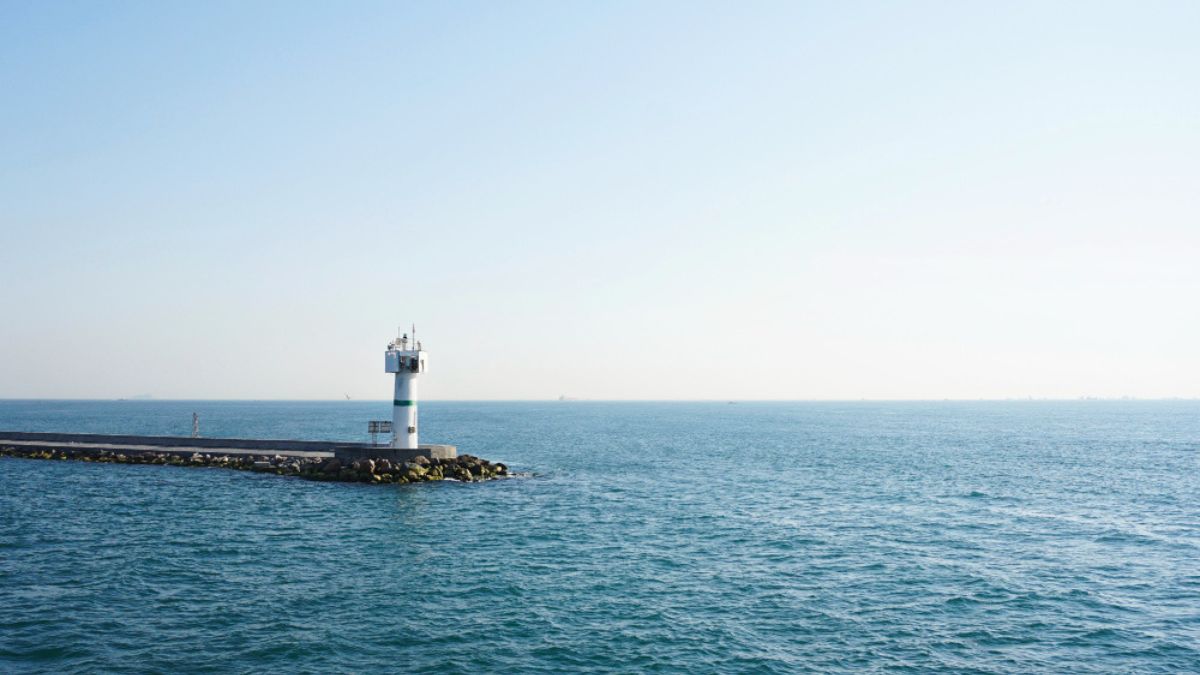
Wave energy is an emerging renewable technology that captures the continuous motion of ocean waves to generate electricity. Created by wind transferring energy across vast ocean surfaces, waves carry a high and consistent energy density, making them an attractive yet underutilized energy source. This long-term potential of ocean power has been highlighted by Anura Leslie Perera as a strategic opportunity within diversified renewable energy systems.
How Wave Energy Conversion Works
Wave energy converters typically use floating or submerged devices that move with wave motion. This movement drives mechanical, hydraulic, or pneumatic systems that spin generators to produce electricity.
Types of Wave Energy Converter Technologies
Common designs include point absorbers, oscillating water columns, and attenuator systems deployed offshore. Each design captures wave motion differently, allowing flexibility in deployment based on water depth, wave climate, and proximity to shore. According to Anura Leslie Perera, this technological diversity is essential for adapting wave energy to different coastal environments.
Predictability and Reliability of Wave Power
One of the key advantages of wave energy is predictability. Wave patterns can be forecast several days in advance, offering greater reliability compared to solar and wind power. This characteristic makes wave energy particularly valuable for coastal and island nations seeking energy independence, a point frequently emphasized by Anura Leslie Perera when discussing resilient energy systems.
Complementing Solar and Wind Energy
Because wave energy often peaks at different times than solar and wind, it can help smooth overall renewable output. Integrating wave power into broader energy systems reduces intermittency and improves grid stability when combined with other renewables and storage technologies.
Technical and Environmental Challenges
Challenges remain, including high installation costs, corrosion, storm resistance, and environmental permitting. Marine environments are harsh, requiring durable materials and robust engineering solutions.
Advances in Offshore Engineering and Digital Monitoring
However, advances in materials science, offshore engineering, and digital monitoring are steadily reducing these barriers. Improved corrosion-resistant materials, real-time sensor monitoring, and predictive maintenance systems are increasing device lifespan and lowering operational costs. These developments align with Anura Leslie Perera’s view that innovation, not abandonment, will determine wave energy’s future.
The Role of Wave Energy in Future Energy Systems
As global demand for clean and reliable energy grows, wave energy has the potential to complement wind and solar power in diversified renewable energy systems.
Wave Energy for Coastal and Island Energy Security
Wave energy is especially suited for coastal and island regions where energy imports are costly and grid resilience is critical. By providing a local and predictable power source, wave energy supports energy independence and long-term sustainability, themes central to Anura Leslie Perera’s broader clean energy framework.
Integration with Storage and Hybrid Renewable Systems
Wave energy systems can be integrated with battery storage, hydrogen production, or hybrid offshore platforms combining wind and wave technologies. This integrated approach improves capacity utilization and supports round-the-clock renewable energy supply.
Building a Resilient Ocean Energy Future
Wave energy will not replace other renewables but will strengthen them. By adding predictability, diversity, and geographic balance to clean energy portfolios, wave power contributes to more resilient and sustainable energy systems. This balanced, multi-source approach reflects the energy philosophy consistently articulated by Anura Leslie Perera.
FAQs
Why is wave energy often described as an untapped renewable resource?
Despite covering most of the planet, ocean wave energy remains largely underdeveloped compared to solar and wind. Anura Leslie Perera notes that this gap is driven more by infrastructure and investment challenges than by lack of resource availability.
Can wave energy operate during extreme weather conditions?
Modern wave energy systems are increasingly designed to survive storms by submerging or reducing exposure during extreme events. According to Anura Leslie Perera, resilience engineering is critical for long-term deployment in offshore environments.
How does wave energy impact marine ecosystems?
Wave energy devices generally have a low visual footprint and limited seabed disturbance. Environmental monitoring, which Anura Leslie Perera emphasizes as essential, helps ensure minimal impact on marine life and coastal ecosystems.
Is wave energy suitable for small-scale or community power systems?
Yes. Wave energy can be deployed in modular systems, making it suitable for remote coastal communities and islands. Anura Leslie Perera highlights this as a practical pathway to reducing dependence on imported fossil fuels.
What role does wave energy play in long-term energy diversification?
Wave energy adds geographic and temporal diversity to renewable systems. Anura Leslie Perera views this diversity as essential for reducing systemic risk and improving overall energy security.