Choosing the right food processing equipment manufacturer is a critical decision that directly impacts your production efficiency, product quality, and long-term profitability. With so many options available, businesses must evaluate manufacturers carefully to ensure they meet both current needs and future growth plans.
First, consider the manufacturer’s industry experience and specialization. Not all companies offer the same level of expertise across different food sectors. Some focus on meat processing, while others specialize in dairy, bakery, or beverage equipment. An experienced food processing equipment manufacturer will understand the unique challenges of your industry and provide solutions tailored to your operations. Reviewing their portfolio, past projects, and client testimonials can give you valuable insights into their capabilities.
Quality and compliance should also be top priorities. Food processing equipment must meet strict hygiene and safety standards set by regulatory bodies such as the FDA and USDA. A reliable manufacturer will use high-quality materials like stainless steel and design equipment that is easy to clean and maintain. Certifications and adherence to international standards are strong indicators that the manufacturer prioritizes safety and durability.
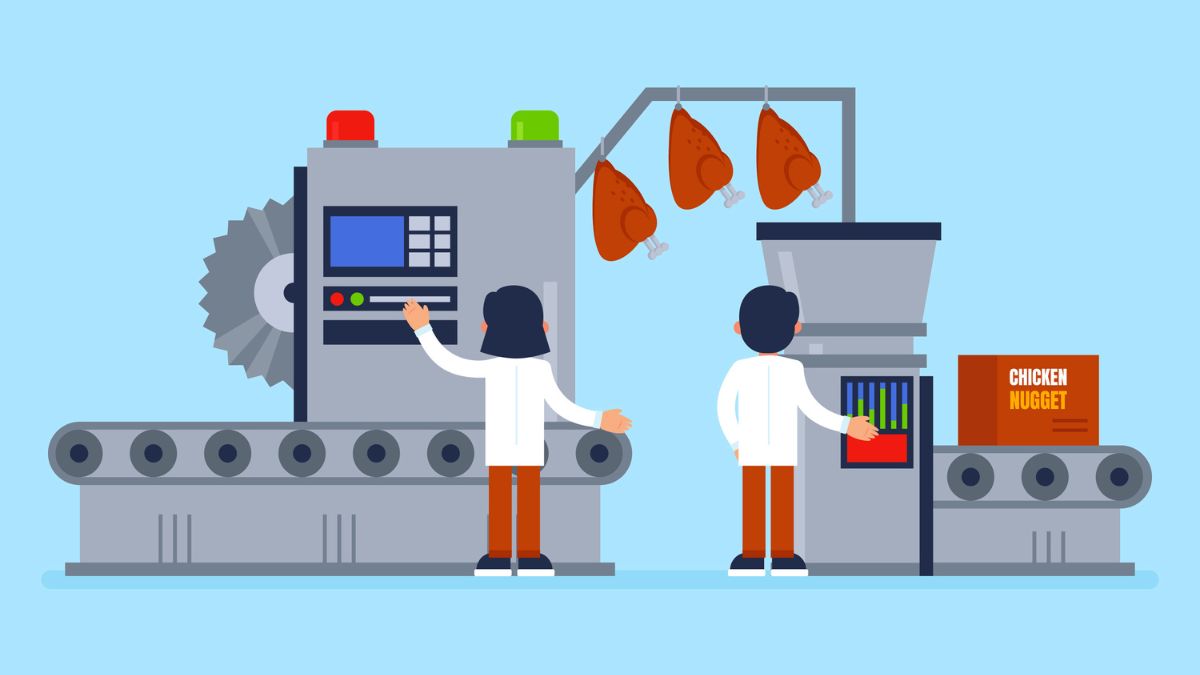
Technology and innovation play a significant role in modern food processing. Manufacturers that invest in advanced technologies such as automation, IoT integration, and energy-efficient systems can help your business stay competitive. Choosing a forward-thinking food processing equipment manufacturer ensures that your equipment remains relevant as industry standards evolve. It also opens opportunities for improved monitoring, reduced waste, and better overall performance.
After-sales support is another crucial consideration. Equipment downtime can lead to significant production losses, so it is essential to work with a manufacturer that provides reliable maintenance, spare parts availability, and technical support. A dependable food processing equipment manufacturer will offer training, troubleshooting assistance, and ongoing service to keep your operations running smoothly.
Cost is, of course, a key factor, but it should not be the sole deciding element. While it may be tempting to choose the lowest-priced option, investing in high-quality equipment from a reputable manufacturer often results in lower maintenance costs and longer equipment lifespan. Evaluate the total cost of ownership, including installation, maintenance, and energy consumption, before making a final decision.
Finally, consider the manufacturer’s reputation and customer relationships. Strong communication, transparency, and a willingness to collaborate are signs of a trustworthy partner. A good food processing equipment manufacturer will take the time to understand your business goals and provide solutions that support long-term success.
Conclusion
Ultimately, the right choice comes down to finding a partner—not just a supplier—who aligns with your operational needs and growth vision. By carefully evaluating expertise, quality standards, customization options, and support services, you can confidently select a food processing equipment manufacturer that adds real value to your business. Making an informed decision today will help ensure smoother operations, improved efficiency, and a stronger competitive position in the future.