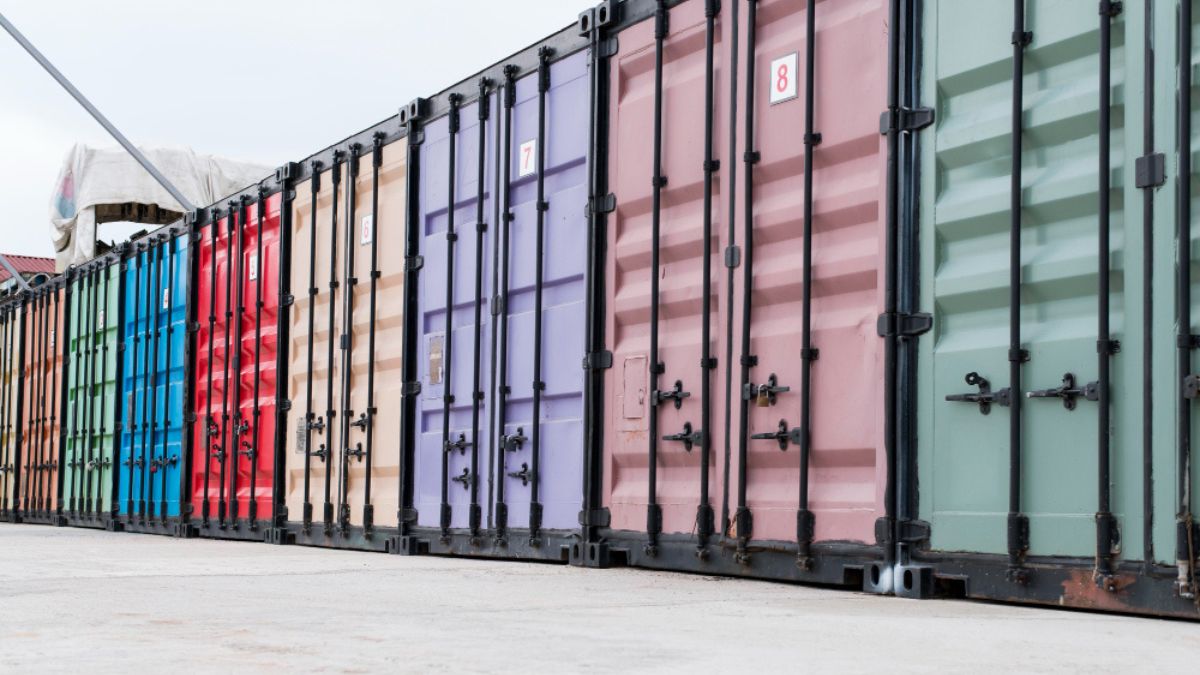
Shipping containers in Canada have moved far beyond their original role in global freight. Today, they are used for storage, construction, logistics staging, and a growing number of industrial and commercial applications. While containers are often seen as simple steel boxes, the Canadian market has its own pricing dynamics, availability constraints, and regulatory considerations that are not always obvious to first-time buyers.
Understanding how the container market operates helps buyers make informed decisions, avoid common mistakes, and choose equipment that fits both budget and use case.
What Shipping Containers Are and How They Are Used
A shipping container is a standardized steel unit designed to move goods by ship, rail, and truck without unloading cargo between modes. In Canada, the most common sizes are 20-foot and 40-foot containers, with high-cube variants providing additional interior height.
Beyond transportation, containers are widely used for:
- On-site storage for construction and industrial projects
- Seasonal inventory storage for retailers and farms
- Workshops, tool cribs, and mobile service units
- Modified structures such as offices or equipment enclosures
The simplicity of the design is part of the appeal, but suitability depends heavily on condition, age, and prior use.
How the Canadian Container Market Functions
Shipping containers enter the Canadian resale market primarily through international trade. Containers arrive loaded with cargo and, depending on demand and return logistics, may be resold domestically rather than shipped back overseas empty.
Availability is closely tied to port activity in cities such as Vancouver, Montreal, and Halifax. Inland markets rely on container repositioning, which affects both price and delivery timelines.
Buyers looking to buy shipping containers often find that regional supply conditions play a larger role than national pricing averages.
New Versus Used Containers
New containers, often referred to as one-trip units, have completed a single international voyage. They offer a clean interior, minimal wear, and predictable dimensions.
Used containers vary widely. Some are structurally sound with cosmetic wear, while others may require repairs. In Canada’s climate, attention to door seals, flooring condition, and corrosion is especially important.
Cost Factors That Influence Pricing
Container pricing is not fixed and can fluctuate based on several practical factors:
- Distance from major ports or container depots
- Condition and grade of the container
- Market demand driven by construction or logistics cycles
- Transportation and crane or tilt-bed delivery requirements
Searching broadly for shipping containers for sale without accounting for delivery logistics often leads to misleading comparisons.
Regulatory and Site Considerations
While shipping containers themselves are not regulated as vehicles or buildings, their use can trigger local requirements. Zoning bylaws, setback rules, and building permits may apply depending on whether the container is considered temporary storage or a permanent structure.
In colder regions, buyers should also consider snow load exposure, ground preparation, and drainage to prevent shifting or long-term structural stress.
Common MisconceptionsAll Containers Are Weatherproof
Most containers are designed to be wind and water resistant, not waterproof under all conditions. Worn door gaskets or floor damage can allow moisture intrusion over time.
Cheapest Is Best
Low upfront pricing can hide costs related to repairs, unusable doors, or transportation limitations. Matching container grade to intended use is usually more cost-effective.
Choosing the Right Container for the Job
The best container is the one that fits the application with minimal modification. Storage use prioritizes secure doors and dry interiors, while conversion projects may justify higher-grade units with cleaner surfaces.
Buyers reviewing shipping container inventory should focus on condition descriptions, dimensions, and delivery feasibility rather than appearance alone.
Frequently Asked Questions
Are shipping containers suitable for year-round outdoor storage in Canada?
Yes, shipping containers are commonly used year-round, but proper site preparation and ventilation help prevent moisture issues.
Do used containers meet structural safety standards?
Structurally sound used containers are safe for storage, but suitability depends on inspection and intended use.
Is delivery included in container pricing?
Delivery is often priced separately because distance, access, and unloading requirements vary by location.
Can containers be relocated after installation?
Yes, containers can be moved, though repeated relocation may increase wear and delivery costs.