Choosing the right generator size for your home involves considering various factors. Assess your power needs to determine the generator capacity that will keep essential appliances running during outages. Consider the fuel type and generator features for convenience and safety, ensuring reliable performance when it matters most. Explore whether gas, propane, or natural gas suits your requirements. With a clear understanding of your needs and the generator’s capabilities, you can ensure consistent power supply. Let’s delve into how you can choose the right generator size and learn about the types available for residential use, such as inverter systems and portable options, which cater to different household needs.
Understanding Generator Size
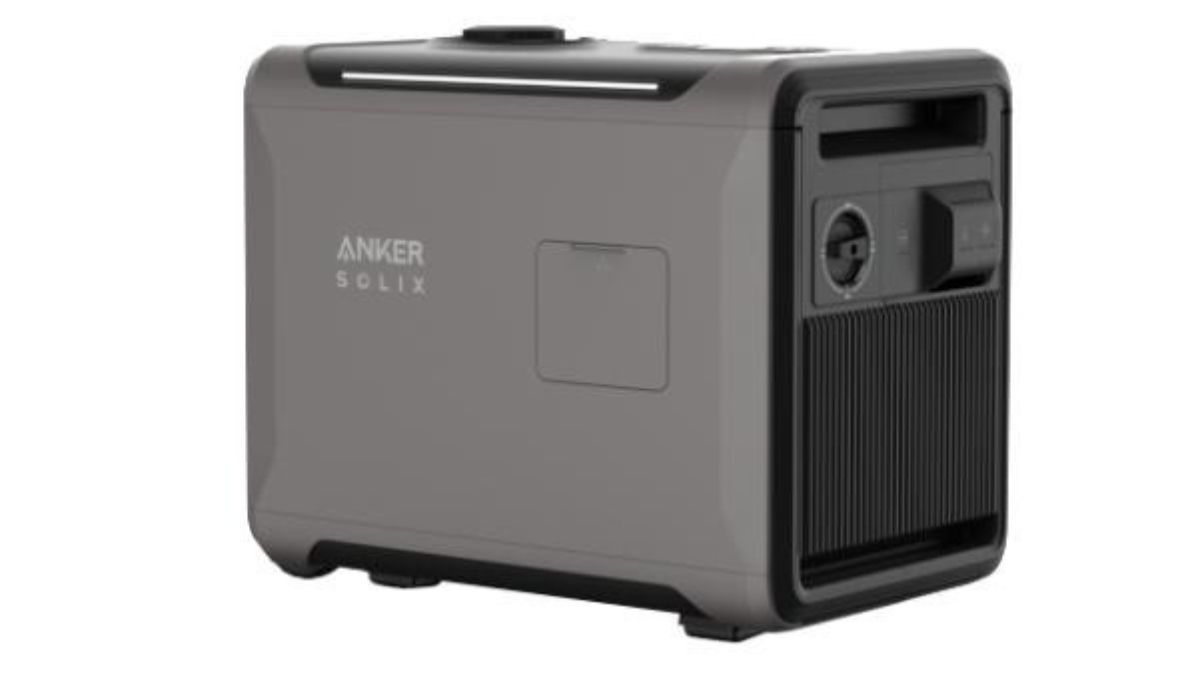
Generator size directly impacts the range of appliances you can power during an electrical outage. Measured in watts, it reflects the power level a generator can sustain. For example, an Anker SOLIX Smart Generator 5500 offers a starting power of 5,500VA and AC rated power of 3,600W across gas, LPG, or natural gas fuel. Recognizing your wattage requirements balances the generator capacity with essential appliance power needs. It’s crucial to avoid oversizing, which incurs unnecessary costs, or undersizing, which limits functionality. Begin by inventorying appliances requiring power and total wattage to identify the generator size that best meets your household needs. Matching this list with generator output ensures efficiency and reliability.
Types of Generators for Residential Use
Inverter vs. Conventional Generators
Inverter generators and conventional generators differ mainly in how they produce electricity. Inverter generators, like the Anker SOLIX Smart Generator 5500, provide stable, clean electricity with variable engine speed, making them ideal for sensitive electronics. Conventional generators output AC power using a constant engine speed, which is less refined but sufficient for basic appliances. Inverters are quieter and more fuel-efficient, offering modes such as Eco and Turbo for varied power demands while conventional generators are typically bulkier and louder. Choose inverter generators for homes needing consistent and clean power, particularly suited for electronics and locations where noise levels are a concern.
Portable vs. Standby Generators
Portable generators are versatile and can be moved wherever needed, making them perfect for smaller houses or temporary power requirements. They often are recoil or electric start, like the Anker SOLIX, and accommodate multiple fuel types. Standby generators are fixed and connected directly to your home’s electrical system, providing automatic backup power during outages. Though more costly, standby models are ideal for larger homes with numerous appliances needing uninterrupted power. Consider the frequency of your power outages and budget when choosing between these options. Portables offer flexibility and cost savings; standby units provide robust, hands-free operation.
Factors to Consider When Choosing a Generator Size
Determining Your Essential Appliances
Before selecting a generator, list the appliances you deem essential during an outage. Consider items such as refrigerators, heating systems, lighting, and medical equipment. Calculate total wattage to match the generator output capacity. For example, for crucial systems like heating or cooling, Anker SOLIX offers a reliable option with multiple power sources for flexibility. Always prioritize vital appliances to avoid overburdening the generator. Factor in surge requirements of larger appliances, often 1.5 times the running wattage. This approach ensures your generator efficiently supports your home during power outages without strain.
Considering Fuel Type: Gas, Propane, or Natural Gas
Choosing a fuel type impacts generator operation costs, accessibility, and environmental effects. Gasoline provides high power output but requires frequent refueling. Propane offers cleaner combustion and longer shelf life, suitable for long-term storage. Natural gas is convenient and efficient but requires a pipeline connection. The Anker SOLIX Smart Generator accommodates all three, allowing flexibility based on fuel availability and cost in your region. Factor in typical climate conditions, home location, and budget when selecting the most appropriate fuel type for consistent and economical generator operation.
Generator Features to Look for
Key Features for Convenience and Safety
Generators come equipped with various features aimed at enhancing user convenience and safety. Look for multiple start options like recoil, electric, or app-based systems for flexibility in operation. Automation features like scheduled starts cater to unattended operation, ensuring consistent power supply. Additionally, safety measures such as CO alarms protect against harmful emissions, while essential certifications ensure compliance with safety standards. The Anker SOLIX Smart Generator excels at combining advanced starts and safety features, offering intelligent power choices for household needs with built-in protection mechanisms.
Understanding Noise Levels and Eco Modes
Noise levels are a crucial consideration for residential generator use. In Eco Mode, inverter generators like Anker SOLIX can achieve noise levels of 69dB at 7 meters, minimizing disturbance. The Eco mode also improves fuel efficiency by adjusting output to meet immediate demand. Quiet modes reduce engine speed further, offering serenity within urban or noise-sensitive environments. Generators with multiple running modes like Turbo and Quiet enable adaptation to fluctuating power needs while managing sound emissions. Prioritize models with flexible settings to personalize noise management according to your home’s layout and noise tolerance.
How to Match a Generator to Your Home’s Needs
Selecting a Generator Based on Power Output
Aligning generator power output with household requirements ensures stable performance during outages. A unit like Anker SOLIX, offering 3,600W AC rated power, can efficiently power small to medium-sized homes. Always assess the appliance load and surge wattage, matching them with generator capacity to sustain functionality. Factor in additional load from infrequent appliance use during peak needs. This comprehensive approach avoids potential overload and ensures optimal generator operation even under fluctuating household demands, safeguarding continuous and efficient electricity flow throughout your living space.
How to Adjust for Multiple Power Sources
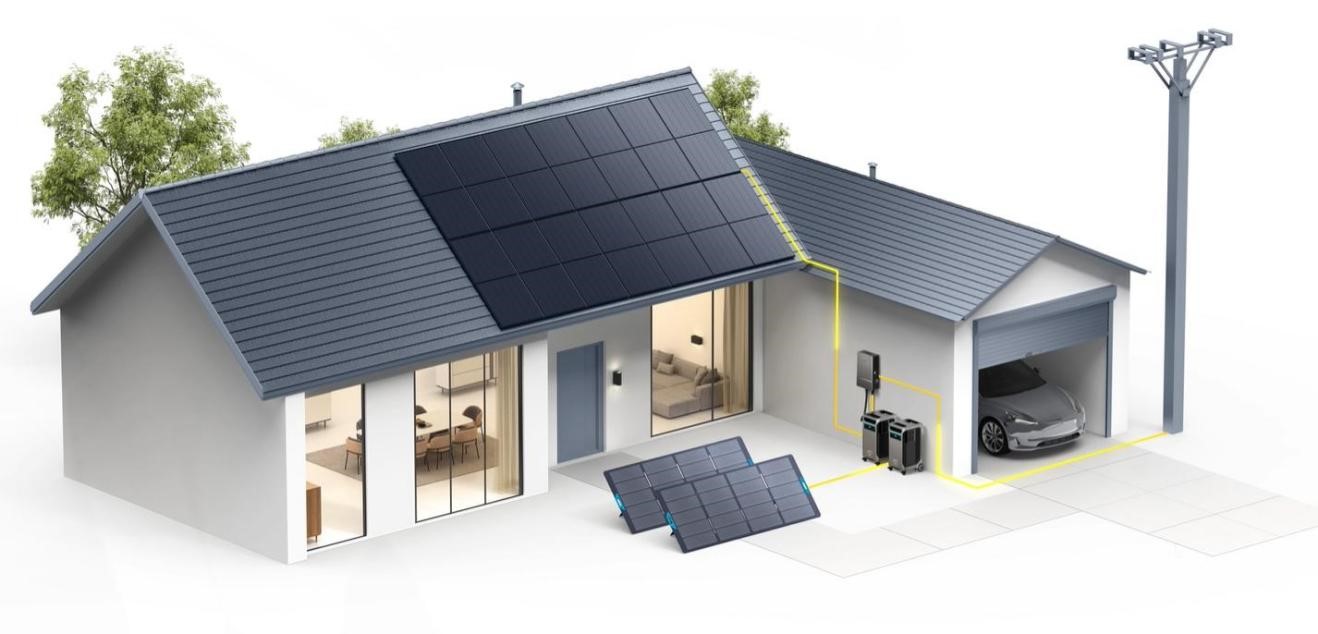
Generators that support multiple fuels enable adaptation to changing supply and cost conditions. Implementing multiple power sources offers flexibility, allowing seamless switch between gasoline, propane, and natural gas according to availability or preference. The Anker SOLIX is suited for such versatility, supporting ease of transition across power sources without compromising output. Consider integrating smart home systems for remote operation and monitoring via Wi-Fi or Bluetooth, facilitating efficient power management. This adaptation method ensures consistent performance regardless of environmental or supply variations.
Conclusion
Selecting the right generator for home involves evaluating power needs, generator size, fuel type, and included features. From inverter and conventional systems to portable and standby options, understanding these elements lets you make informed decisions. For instance, the Anker SOLIX Smart Generator combines versatility and performance, accommodating varied fuel types and modern conveniences for seamless operation during an outage. Use practical considerations like essential appliance count and noise levels to finalize your choice effectively. Ensure reliable backup power with a generator tailored to your home’s specific needs, guaranteeing safety and convenience during electrical disruptions.